
Guide to Different Lighting Styles and Types

Lighting plays a vital role in home design, affecting both the functionality and ambiance of your space. There are several styles and types of lighting you can consider to enhance your home.
Ambient Lighting
General, or ambient lighting, provides overall illumination for a room. Common options include ceiling-mounted fixtures such as flush-mount or semi-flush lights, chandeliers, recessed lighting, and track lighting. Pendant lights are also a versatile choice for ambient lighting, suitable for various spaces.

Task Lighting
Task lighting, on the other hand, is focused lighting designed for specific activities like reading, cooking, or working. Examples of task lighting include desk lamps, under-cabinet lighting in kitchens, vanity lights in bathrooms, swing-arm wall lamps, and adjustable floor lamps. This type of lighting ensures precision and clarity where it’s needed most.
Accent Lighting
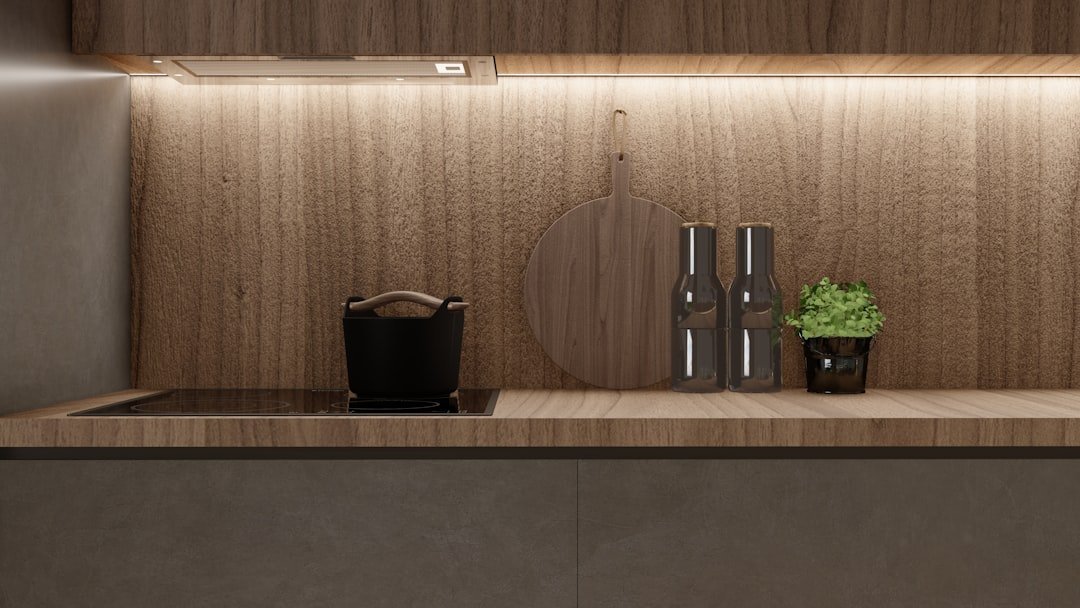
Accent lighting highlights specific features or objects in your home, such as artwork, architectural details, or plants. Spotlights, wall sconces, picture lights, and LED strip lighting in niches or under shelves are great choices for creating this effect. Accent lighting adds depth and drama to your decor.

Decorative Lighting
Decorative lighting is used primarily for its aesthetic appeal, adding style and personality to a space. Examples include chandeliers, artistic pendant lights, unique floor or table lamps, and even neon signs or art-inspired light fixtures. These elements serve as focal points in your design scheme.

Natural Lighting
Natural lighting is another important element, maximizing sunlight for an eco-friendly and bright atmosphere. You can incorporate natural light through features like skylights, large windows, sliding glass doors, light-filtering window treatments, and strategically placed mirrors to reflect sunlight.
Layered Lighting
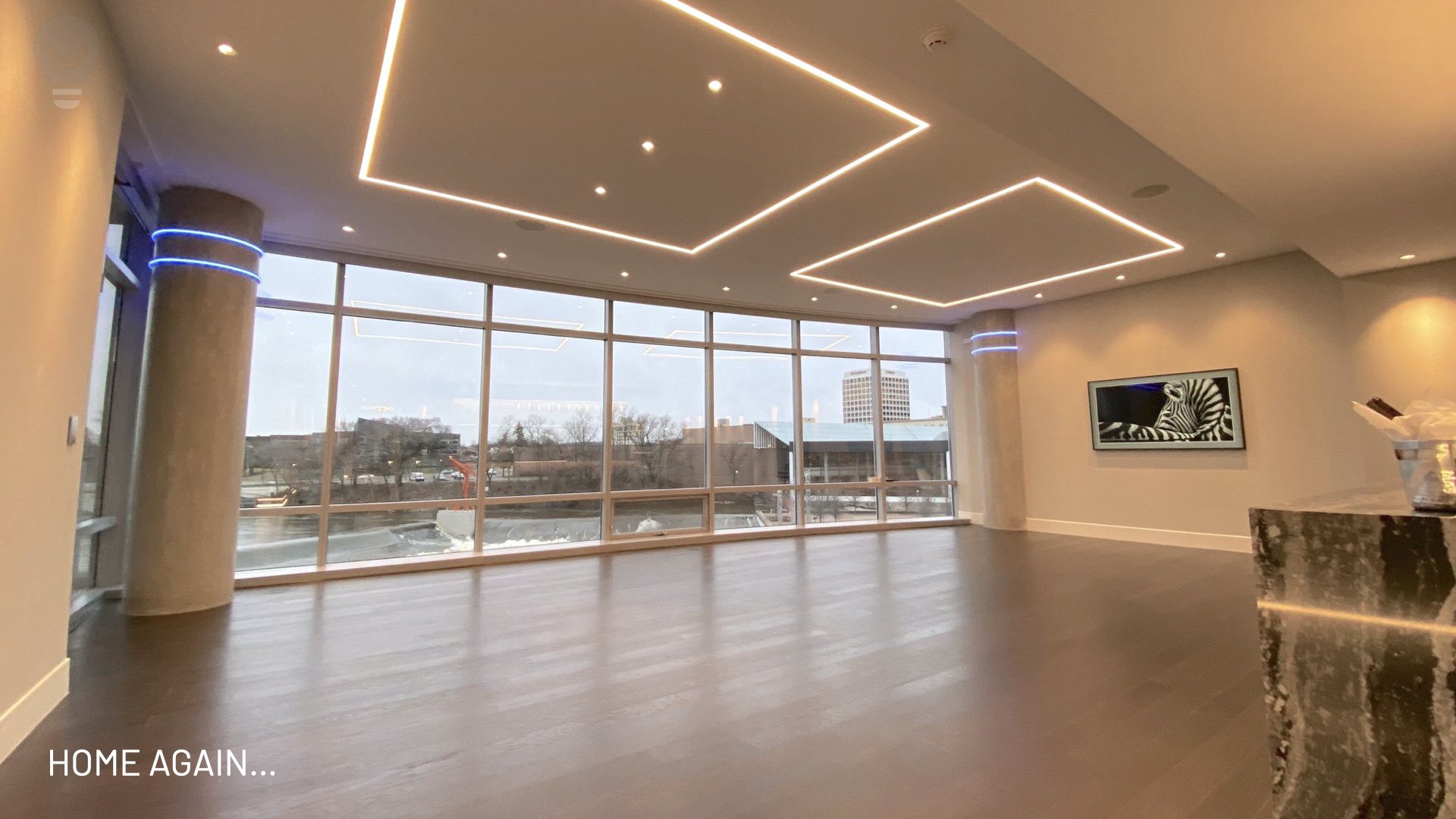
Layered lighting combines multiple types of lighting in one space for versatility and functionality. For instance, a living room may include recessed lights for ambient lighting, a floor lamp for task lighting, and wall sconces for accent lighting. This approach ensures that the room is well-lit for various purposes and moods.

The style of the fixtures is also an important consideration. Modern lighting features clean lines and metallic finishes, while industrial lighting emphasizes exposed bulbs, black or brass tones, and raw materials. Traditional fixtures, like ornate chandeliers and warm-toned sconces, provide a classic look, while farmhouse lighting incorporates rustic finishes and lantern-style designs. Bohemian lighting often uses natural materials like wicker or rattan, while mid-century modern fixtures boast sleek curves and bold colors. Scandinavian lighting prioritizes functionality with soft, diffused light and simple designs.
In addition to these styles, you can explore specialty lighting options. Smart lighting allows you to control brightness and color through an app, while ambient LED lighting adds a colorful glow to areas like backlit TVs, headboards, or kitchen cabinets. Outdoor lighting, such as path lights, string lights, floodlights, and wall-mounted lanterns, enhances your home’s exterior and improves safety.
Each type and style of lighting serves a unique purpose, so combining them thoughtfully can transform your home. If you'd like recommendations tailored to specific rooms or design themes, our lighting designers are happy to speak with you!
Frequently Asked Questions
What are the main types of lighting used in a home?
Most lighting designs rely on three core layers: ambient lighting for overall illumination, task lighting for specific activities, and accent lighting to highlight architectural or decorative elements. When combined thoughtfully, these layers create a balanced and comfortable environment.
What is ambient lighting?
Ambient lighting provides the general illumination for a room. It establishes the base level of light that allows people to move comfortably through the space. Common sources include ceiling-mounted fixtures, recessed lighting, and pendants.
What is task lighting?
Task lighting is focused illumination used for specific activities such as reading, cooking, or working. Examples include desk lamps, under-cabinet kitchen lighting, vanity lights, and adjustable floor lamps.
What is accent lighting?
Accent lighting highlights specific features within a space. It can be used to draw attention to artwork, architectural details, textured walls, or display areas. This layer adds depth and visual interest to the overall design.
What is decorative lighting?
Decorative lighting is chosen primarily for its visual impact. Fixtures such as chandeliers, sculptural pendants, and distinctive lamps often serve as focal points while still contributing to the overall lighting scheme.
Why is layered lighting important?
Layered lighting combines ambient, task, and accent lighting within the same space. This approach provides flexibility, allowing a room to shift from bright and functional to soft and relaxed depending on the time of day or activity.
How does natural light factor into lighting design?
Natural light plays an important role in shaping the feel of a space. Large windows, skylights, and reflective surfaces can help distribute daylight throughout a room, reducing the need for artificial lighting during the day.
Do lighting fixtures need to match the style of the home?
Lighting should complement the architecture and interior design of the space. Whether the style is modern, traditional, industrial, or minimalist, fixtures should feel consistent with the overall character of the home.
Can lighting systems be controlled or automated?
Yes. Many lighting systems can be programmed to adjust brightness levels, activate scenes, or respond automatically at certain times of day. This adds both convenience and flexibility.
How do designers decide which lighting types to use?
Lighting decisions are guided by how each space will be used, the architectural features of the home, and the atmosphere the homeowner wants to create. A balanced lighting plan supports both function and comfort.